The Question That Catches Everyone Off Guard
If you’ve ever onboarded a contractor from another state, you’ve probably heard the confusion:
“Wait — we have to charge sales tax?”
It’s one of the most common (and most expensive) misunderstandings in construction accounting.
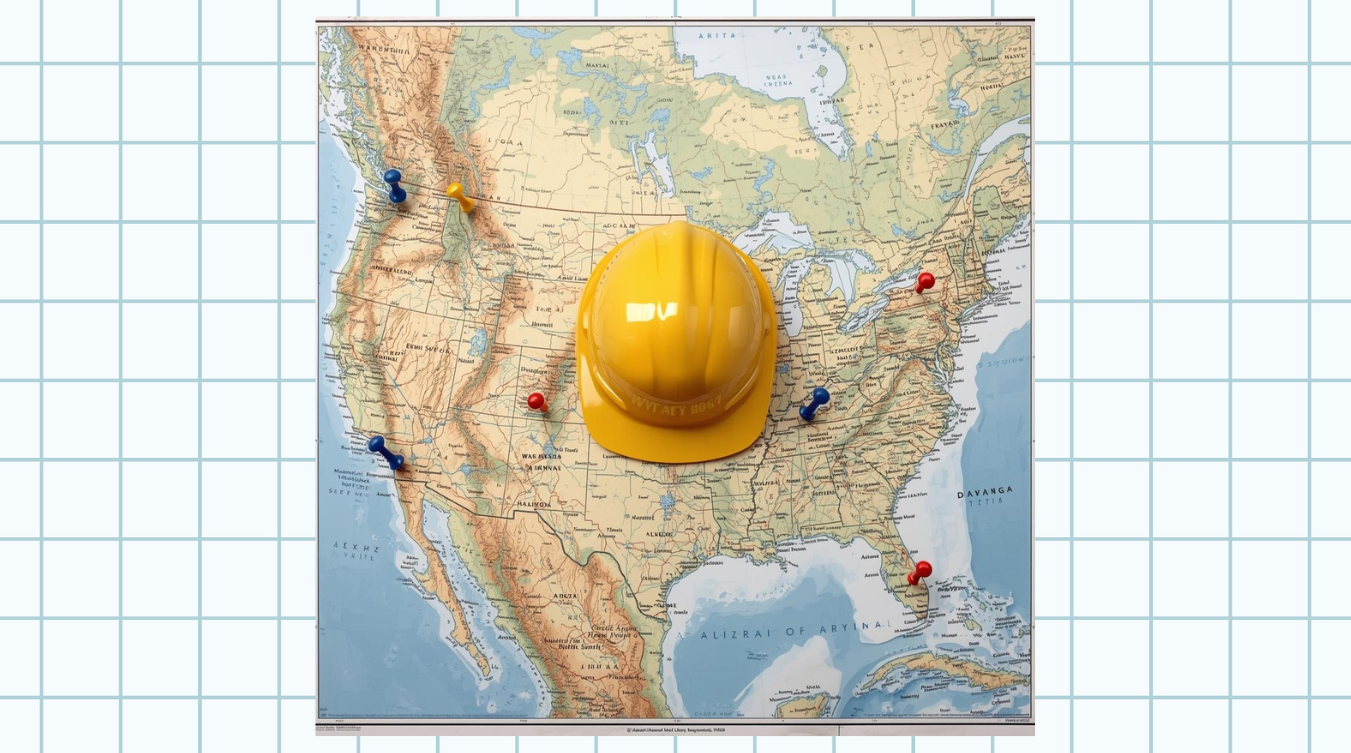
Sales-tax rules for trades aren’t consistent nationwide, and what’s taxable in one state can be completely exempt in another.
That’s why education and attention to detail matter — not just for compliance, but for credibility.
Why It’s Complicated
Unlike most service businesses, construction touches both goods and labor.
Depending on where your client operates, the taxability can hinge on:
- The type of work performed (repair, remodel, or new construction)
- Whether materials are sold directly or incorporated into real property
- The state and even city in which the work occurs
Some states treat contractors as consumers of materials (they pay sales tax when purchasing).
Others treat them as resellers (they collect sales tax from customers). And some do a mix of both — depending on the project.
For example:
- Texas: Contractors working on new residential builds don’t charge sales tax on labor, but remodels often require it.
- New York: Sales tax applies to repairs but not capital improvements.
- Florida: Real-property contractors generally pay sales tax on materials, not on labor.
It’s a patchwork quilt of regulation — and missing a single rule can trigger costly penalties.
The Bookkeeper’s Role: Clarify Early, Prevent Pain Later
When onboarding a new construction client, always ask:
- What kind of work do you do most? (service, remodel, new build)
- Where do you perform that work? (state and local jurisdictions)
- Do you resell materials?
Once you have those answers, check state tax-authority publications or partner with the client’s CPA to verify treatment.
That small step upfront prevents messy adjustments and penalties later — and it positions you as a trusted expert rather than a reactive fixer.
Tools That Simplify Compliance
- Avalara or TaxJar: Integrate with QBO to manage multi-state rates automatically.
- State Department of Revenue Websites: Many offer contractor-specific guides.
- Sales-Tax Matrix: Maintain a simple spreadsheet showing each client’s states, project types, and applicable rules.
Bookkeepers who use these tools build confidence and consistency across every client file.
Why Education Protects Profit
Sales-tax mistakes hit profits twice: once through penalties, and again through rework time.
Every hour spent cleaning up mis-coded transactions or filing amendments is an hour not spent on higher-value advisory work.
By learning state-specific nuances and documenting them, you reduce the risk and create a repeatable system that saves everyone money.
Mentorship Through Clarity
At Bookkeeping 4 Contractors Group (B4CG), we teach that mastery isn’t just about technical skill — it’s about translating complex rules into clarity for our clients.
Helping a contractor understand why they must collect or pay sales tax empowers them to stay compliant on their own.
That’s mentorship in action — and it strengthens our entire industry’s reputation.
The B4CG Bottom Line
Sales-tax compliance isn’t glamorous, but it’s foundational.
When bookkeepers and contractors understand the “where” and “why,” they build trust with tax authorities and with each other.
So, the next time a client asks, “Do I charge sales tax on this job?” you’ll be ready with the answer — and the confidence that comes with expertise.
Because clarity is the first step to profitability.